
As a lifelong Jane Austen fan, how I wish I had read this biography years ago. So many details from Jane’s life, her observations in letters to sister Cassandra and comments about Jane by her own relatives shed a spotlight on characterisations and situations portrayed in her novels. Jane Austen: A Life by Claire Tomalin was first published in 1997.  Limited by the destruction of so many of Jane’s own letters, Tomalin builds a picture of Jane’s life from the accounts of her family and acquaintances, and of life at that time in Georgian England. The amount of research done must be formidable but Tomalin sets her story of Jane Austen’s daily life against her literary progress, including the times when she was unable to write. She is revealed as having a sparkling and at times dry wit, perhaps more Lizzie Bennet than Emma Woodhouse. Also interesting is the account of first her father then her brother Henry at getting her books published. On Jane’s death, Cassandra was sole proprietor of Jane’s copyright though Henry continued to negotiate with publishers.
Any writer will be familiar with the reactions of one’s closest relatives to the publication of a new book. The excitement from some quarters, the bemusement from others, and Jane Austen experienced exactly the same. Mrs Austen described Fanny in Mansfield Park as ‘inspid’. It also made me pause to realise that by the age of twenty five, Austen had already written Northanger Abbey, Sense and Sensibility and Pride and Prejudice. But this was followed by a ten year pause in which she wrote nothing. Only in 1809 did she return to her former pattern of working. What happened to cause this creative halt? Jane’s father retired and so the family were forced to leave the rectory at Steventon; Jane and Cassandra moved with their parents to Bath. Many letters from this difficult time are missing. Tomalin suggests Jane became depressed. She also lacked the physical space and time to write; their lodgings in Bath, frequent outings to the Devon and Dorset coast, and attendance expected at social events, all prevented Jane from writing.
Such is the detail in this wonderful biography that it is difficult to choose highlights. It has made me determined to re-read Austen’s novels now, in the order in which they were written.
Try the #FirstPara of PRIDE AND PREJUDICE here and learn about the first edition of PRIDE AND PREJUDICE, first published in 1813.
If you’re a Jane Austen fan, try these two ‘extension’ novels by Molly Greeley:-
THE CLERGYMAN’S WIFE
THE HEIRESS
If you like this, try:-
‘Charlotte Bronte: A Life’ by Claire Harman
‘Howard’s End is on the Landing’ by Susan Hill
‘An Education’ by Lynn Barber
And if you’d like to tweet a link to THIS post, here’s my suggested tweet:
#BookReview JANE AUSTEN A LIFE by Claire Tomalin https://wp.me/p5gEM4-4k9 via @SandraDanby

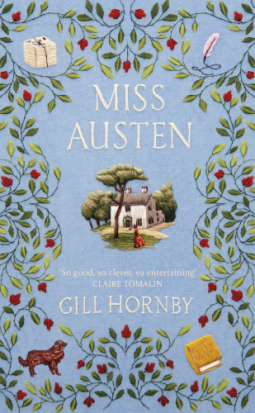


 Death is not always the end. King Richard III. Betrayed, defeated and savagely slain but Fate is not quite finished with him. He regains consciousness on Bosworth’s bloody field and concludes that the Almighty has granted him another chance to fight for his throne. About to leave the battlefield to head North, Richard is forced to take cover by the arrival of Henry Tudor and his men who are searching for his body to put on display. Suddenly the cry goes up ‘We have found the king!’ He sees Henry Tudor standing triumphant over a mauled and battered corpse and hears him whisper ‘It is done. England is mine.’ How could this be when he is not dead? Richard sidles closer; to his utter horror finds himself looking at his own body. The appearance of the mysterious monk Father Gilbert, convinces him that he is dead and now in Purgatory – and so begins Richard’s harrowing journey through the Hereafter. Through his recollections in the Afterlife, reader is witness to the key events that lead to his violent end. The man behind the myths is revealed, as is the torment of a soul who believes that his honour and reputation have been forever destroyed by the malign propaganda of the Tudors. When at last Richard learns that this has not reigned supreme through the ages, he faces a decision that will affect his soul throughout eternity.
 What is a ‘Porridge & Cream’ book? It’s the book you turn to when you need a familiar read, when you are tired, ill, or out-of-sorts, where you know the story and love it. Where reading it is like slipping on your oldest, scruffiest slippers after walking for miles. Where does the name ‘Porridge & Cream’ come from? Cat Deerborn is a character in Susan Hill’s ‘Simon Serrailler’ detective series. Cat is a hard-worked GP, a widow with two children and she struggles from day-to-day. One night, after a particularly difficult day, she needs something familiar to read. From her bookshelf she selects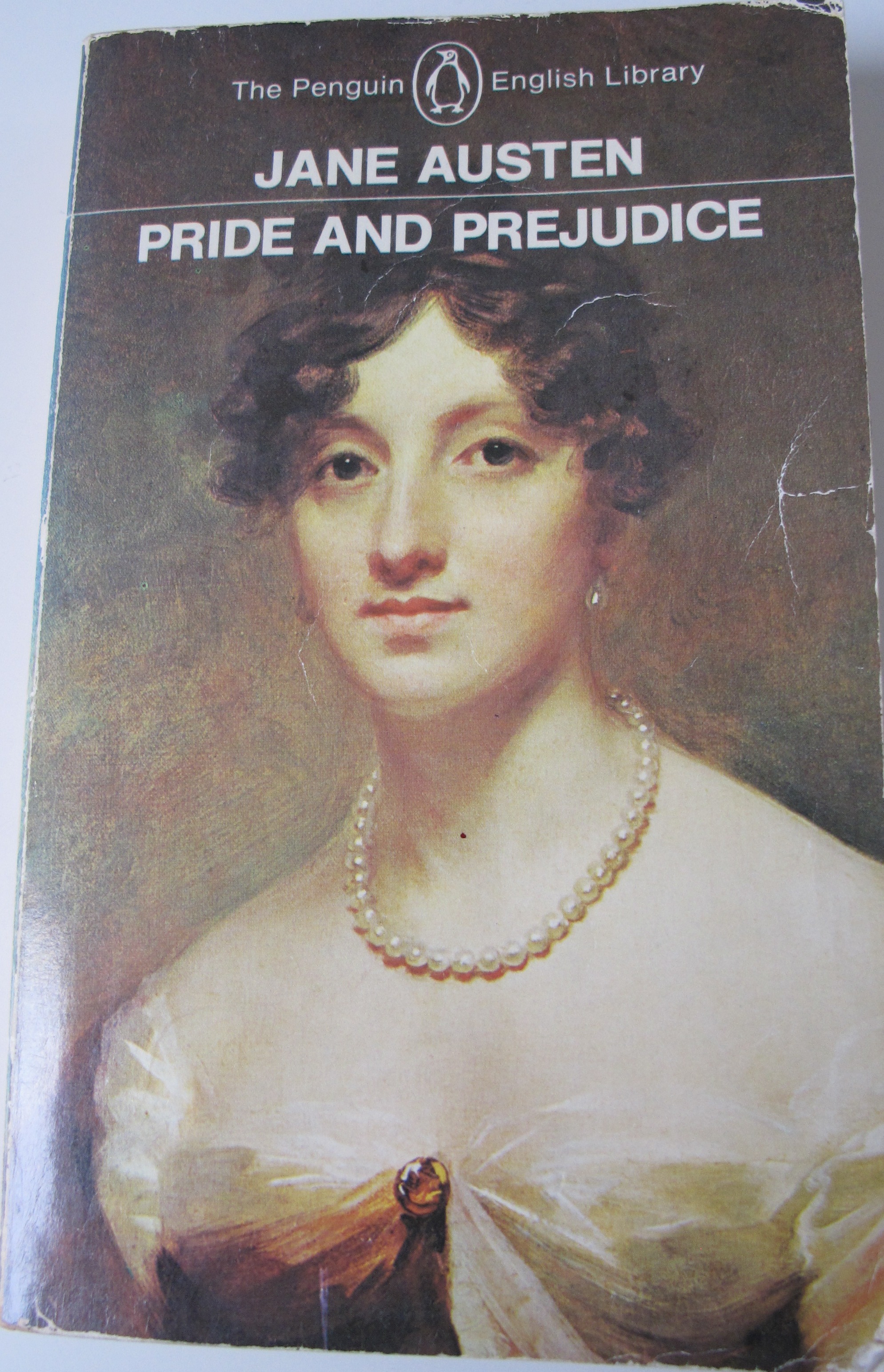




 SANDRA DANBY'S BOOK REVIEWS