#BookReview ‘Fahrenheit 451’ by Ray Bradbury #scifi #fantasy #classic

Another classic I haven’t read before, Fahrenheit 451 by Ray Bradbury is a paperback that, like The War of the Worlds by HG Wells, I picked up in bookshop attracted by its distinctive cover. I’m so pleased I did. Ray BradburyEerily prophetic, first published in 1952, in the post-war American consumer boom, Bradbury is uncannily far-sighted. Guy Montag is a fireman who doesn’t put out fires, he lights them. In this world, houses have been fireproofed to such an extent that they are inflammable. People don’t read books any more, they’re the enemy. Fiction, fact, non-fiction, history, religious works, imagination, all must be destroyed. If the fire service receives a tip-off that a person is in possession of books, the firemen burn the house, the books and sometimes the guilty book-owner.
We see this world through Montag’s observations of his daily life and home. The ‘televisors’ that project entertainment programmes onto the walls of his house’s ‘parlour,’ a diet of sugar-crystal and saccharine combined with advertisements. Montag’s wife, Mildred, lives her life indoors, driven by a timetable of programmes with her ‘family’ – the characters in regular programming that replaces relationships with real people – their artificial likes and love hearts become more important than everyday talk with her husband.
There are echoes of Orwell’s 1984 but the politics are different, Big Brother surveillance and political messages replaced by constant advertisements, ear worms, enticements to buy things, things made elsewhere in countries unknown to Montag. ‘Denham’s Dentifrice, Denham’s Dandy Dental Detergent, Denham’s Dentifrice Dentifrice Dentifrice, one two, one two three, one two, one two three.’ It is an intellectually and emotionally stunting life. People’s curiosity has disappeared.
Until one day, Montag has a brief encounter with a young neighbour, Clarisse McClellan, a strange young girl who sees the world differently. So the next time he attends a fire, he is horrified at what he is doing. He hides a book in his jacket and takes it home. Fearing discovery, of bringing harm to his wife, their home and way of life, he doesn’t hesitate to step over the line. Meanwhile war, according to the ‘seashell radio’ which fits in his ear, is coming.
There is a hinterland of rebels, secretive people who still believe in freedom of thought, who live in fear of discovery, who believe books are not the problem but the solution. Books can be intriguing, challenging, disturbing, exciting. They invite imagination, exploration, curiosity. But in the world of Fahrenheit 451, life is superficial. People live a routine without stopping to look at the sky, listening to birdsong, watching the clouds change shape. It’s the difference between looking at a flower’s beauty then forgetting it, and looking at a flower, seeing its beauty, drawing it, writing a poem about it, studying its biology, sowing seeds, noticing other plants and their role in the natural world.
Thought-provoking. Sad. A must read.

If you like this, try:-
The War of the Worlds’ by HG Wells
In Ark’ by Lisa Devaney
Dark Earth’ by Rebecca Stott

And if you’d like to tweet a link to THIS post, here’s my suggested tweet:
#BookReview FAHRENHEIT 451 by Ray Bradbury https://wp.me/p2ZHJe-73F via @SandraDanby

COMING SOON… THE NEXT BOOK I REVIEW WILL BE:- James Hynes

#BookReview ‘The Girl Who Escaped’ by Angela Petch #WW2

World War Two drama The Girl Who Escaped by Angela Petch is a heartbreaking slow-burner that had me reading late at night to finish it. Angela PetchThe story about four friends in the small Italian town of Urbino begins with a Prologue set in 1988. Enrico, waiting for a reunion with his childhood friends, looks at a photograph of them taken fifty years earlier, before the war, on a mountain hike. Young. Carefree. Unsuspecting.
In 1940 in Urbino, 20-year-old medical student Devora Lassa is struggling to accept how her movements, as a Jew, are now limited by law. She is unable to study, is seen as different. Sabrina Merli, who has a long-standing crush on Conte Enrico di Villanova, is jealous at a party when Enrico greets Devora with a kiss on both cheeks. Luigi Michelozzi, a civil servant, watches, quiet and thoughtful.
After the party, Devora’s world is thrown into chaos when her father explains the hard truth. Tomorrow, Italy will enter the war on the side of Germany and the racial laws applying to Jewish people will again be changed. Her parents, who were born in Germany but are Italian citizens, must leave in the morning for an internment camp near Arezzo. Their Jewish neighbours, not Italian citizens, are being deported. As Devora and her two younger twin brothers were born in Italy they are able to stay in the family home in Urbino but now Devora, helped by their maid Anna Maria, must become parents to the boys.
This the story of Devora, whose life within a matter of hours changes out of all recognition. She is the girl who escapes a multitude of times, but in wartime Italy it is difficult to know where is safe, who is trustworthy, strangers who help, friends who change sides, neighbours who spy, Italians who are fascists or partigianos (resistance fighters), German soldiers who are fascists and torturers or world-weary soldiers missing their own families. Every decision Devora makes affects not just herself but those closest to her. When Luigi warns her to leave Urbino, the three siblings are reunited with their parents at Villa Oliveto, the internment camp turned into a Jewish community by its inmates, with gardening, theatre, medical treatment. But is anywhere safe?
Devora runs and runs again, and comes to hate herself for not turning and fighting. When she joins the resistenza, she needs every ounce of bravery, ingenuity and intelligence to survive. But in Urbino, no-one can predict who will betray you, who wants to help, who is setting a trap. She is a fantastic heroine, we live with her day-by-day as she begins to understand what is happening to her country, as she grows from indignant student to strong fighter. She must learn to move in the shadows, how to act a role, when to keep quiet and when step forwards. Her character development is compelling. Luigi is fascinating too, his job registering births and deaths allows him to falsify records to protect people. We see a little of Enrico, an arrogant, flashy personality who I had no time for, and even less of Sabrina. I needed to know more about Sabrina’s behaviour throughout the war, to understand her experiences. She blows with the wind, supporting whoever she thinks will be of advantage to her, her loyalty is an enigma. Some people fight to survive, others stay quiet and collaborate.
The Girl Who Escaped portrays the reality of wartime Italy, focussing on one town and the four friends. At times its not an easy read, the plight of ordinary people persecuted for no other reason than their religion is not new but Petch maintains the suspense to the end so we don’t know who betrays who.

Here are my reviews of other novels also by Angela Petch:-
THE POSTCARD FROM ITALY
THE TUSCAN SECRET

If you like this, try:-
Day’ by AL Kennedy
The Garden of Angels’ by David Hewson
The Bird in the Bamboo Cage’ by Hazel Gaynor

And if you’d like to tweet a link to THIS post, here’s my suggested tweet:
#BookReview THE GIRL WHO ESCAPED by Angela Petch https://wp.me/p2ZHJe-74A via @SandraDanby

COMING SOON… THE NEXT BOOK I REVIEW WILL BE:- Ray Bradbury

#BookReview ‘The Wolf Den’ by @Elodie_Harper #historical #Pompeii

The Wolf Den by Elodie Harper, first in the Wolf Den trilogy, is a visceral portrait of Pompeii, the wealth, the poverty, the luxury, the corruption, the art and culture. Set in a brothel, this is the story of Amara, a young Greek middle class woman sold into slavery and shipped to Italy. Amara’s story, and of her fellow she-wolves, is not pretty but this is such a dynamic tale, foul-smelling, full of abuse and also love and hope. Elodie HarperI loved the female dynamic. The strength and vulnerability of the women who live and work in the wolf den who band together as sisters, loving, bickering, competitive, supportive. But there is also mistrust and rivalry, dissembling about their real backgrounds.
Pompeii is a city of excess where there is everything to gain or lose and with that goes violence, secrecy, feuds, revenge and betrayal. Between the wealthy, between the brothel owners, the sybarites, the money lenders, the organised crime gangs. Through this minefield, the women of the wolf den must step carefully to survive, to find customers, watching each other’s backs, always searching for a man who is kind but at best not violent. It is a city of feast days, each excessive in their own way; Vinalia, the wine festival, and Saturnalia, celebrating agricultural god Saturn, are both key in the timelines of the novel. The Wolf Den is a fascinating glimpse into the life in Pompeii, Harper writes with such visceral clarity, detailing the violence and beauty with equal brightness. The novel is set in AD74, only five years before the eruption of Vesuvius destroys the city.
Negotiating the path to life improvement, one step at a time, Amara’s life is a pendulum, swinging one day good, the next bad. When bad can mean injury, cruelty, murder and good can mean a word of kindness, a gift of a necklace, a day in the brothel when the cruel master is absent. She makes tiny steps in improving her lot, making sacrifices along the way, always with a clear eye on her goal. To become a freewoman. Along the way, she learns compromise, pragmatism and loyalty, but will she find true love to guarantee survival. It’s a cruel and unequal world that Amara must navigate.
I’m so glad I stumbled upon this trilogy, it’s a rollercoaster emotional read.

Here are my reviews of the first two novels in the ‘Wolf Den’ series by Elodie Harper:-
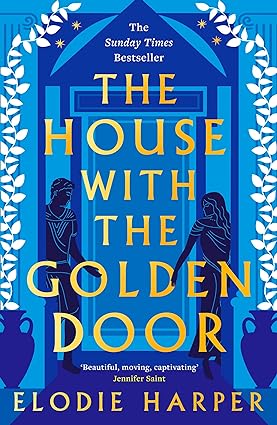
THE HOUSE WITH THE GOLDEN DOOR #2WOLFDEN
THE TEMPLE OF FORTUNA #3WOLFDEN

If you like this, try:-
Frog Music’ by Emma Donoghue
The Fair Fight’ by Anna Freeman
A Dangerous Business’ by Jane Smiley

And if you’d like to tweet a link to THIS post, here’s my suggested tweet:
#BookReview THE WOLF DEN by @Elodie_Harper https://wp.me/p2ZHJe-736 via @SandraDanby

COMING SOON… THE NEXT BOOK I REVIEW WILL BE:- Angela Petch

#BookReview ‘An Expert in Murder’ by @nicolaupsonbook #JosephineTey #crime #mystery

An Expert in Murder by Nicola Upson is an intriguing concept and the first in a series. A historical crime novel based on a real person – mystery novelist Josephine Tey, pseudonym of author Elizabeth MacKintosh – Upson places Tey in London’s theatreland where her successful play Richard of Bordeaux is drawing the crowds. This stage success happened for real, but Upson adds a murder. Or two. Nicola UpsonHow will a writer of crime and mystery novels deal with murder so close, so threatening? Will her creative imagination help friend Detective Inspector Archie Penrose find the murderer. And what happens when someone you know becomes a suspect. More a character-led mystery than a detective or crime story.
A mixture of fact and fiction – Tey was real, the role of John Terry was in reality played by John Gielgud – the story is slow to get going after the initial death. Partly this is the curse of the first instalment of a series, characters must be drawn, relationships established, clues laid for storylines which will run throughout future novels. The 1930s theatre setting is full of colourful characters though not much action actually happens in the New Theatre itself. The story kept me guessing but at times I lost track of the labyrinthine connections between people dating from the Great War and worried that I had missed something. In places there is so much new information I had to re-read. I particularly wanted to know more about Archie Penrose but perhaps that will come in the next book.
The period between the two world wars is a fascinating time with enormous social change but still retaining a straitjacket of Edwardian social conventions, which is fertile territory for a novelist. However there were moments when language and behaviour seemed a little too modern for the Thirties setting.
This is a slow to start to the series but intriguing enough to make me want to give it another chance. Perhaps I’ll try a novel later in the series [at the time of writing there are 11]. Ultimately, more a mystery than a detective or crime story.

Read my reviews of these other books by Nicola Upson:-
ANGEL WITH TWO FACES #2JOSEPHINETEY
STANLEY AND ELSIE

And here’s my review of BRAT FARRAR by the real-life author Josephine Tey.

If you like this, try:-
Curtain Call’ by Anthony Quinn
Shrines of Gaiety’ by Kate Atkinson
Fortune Favours the Dead’ by Stephen Spotswood #1Pentecost&Parker

And if you’d like to tweet a link to THIS post, here’s my suggested tweet:
#BookReview AN EXPERT IN MURDER by @nicolaupsonbook https://wp.me/p2ZHJe-71K via @SandraDanby

COMING SOON… THE NEXT BOOK I REVIEW WILL BE:- Elodie Harper
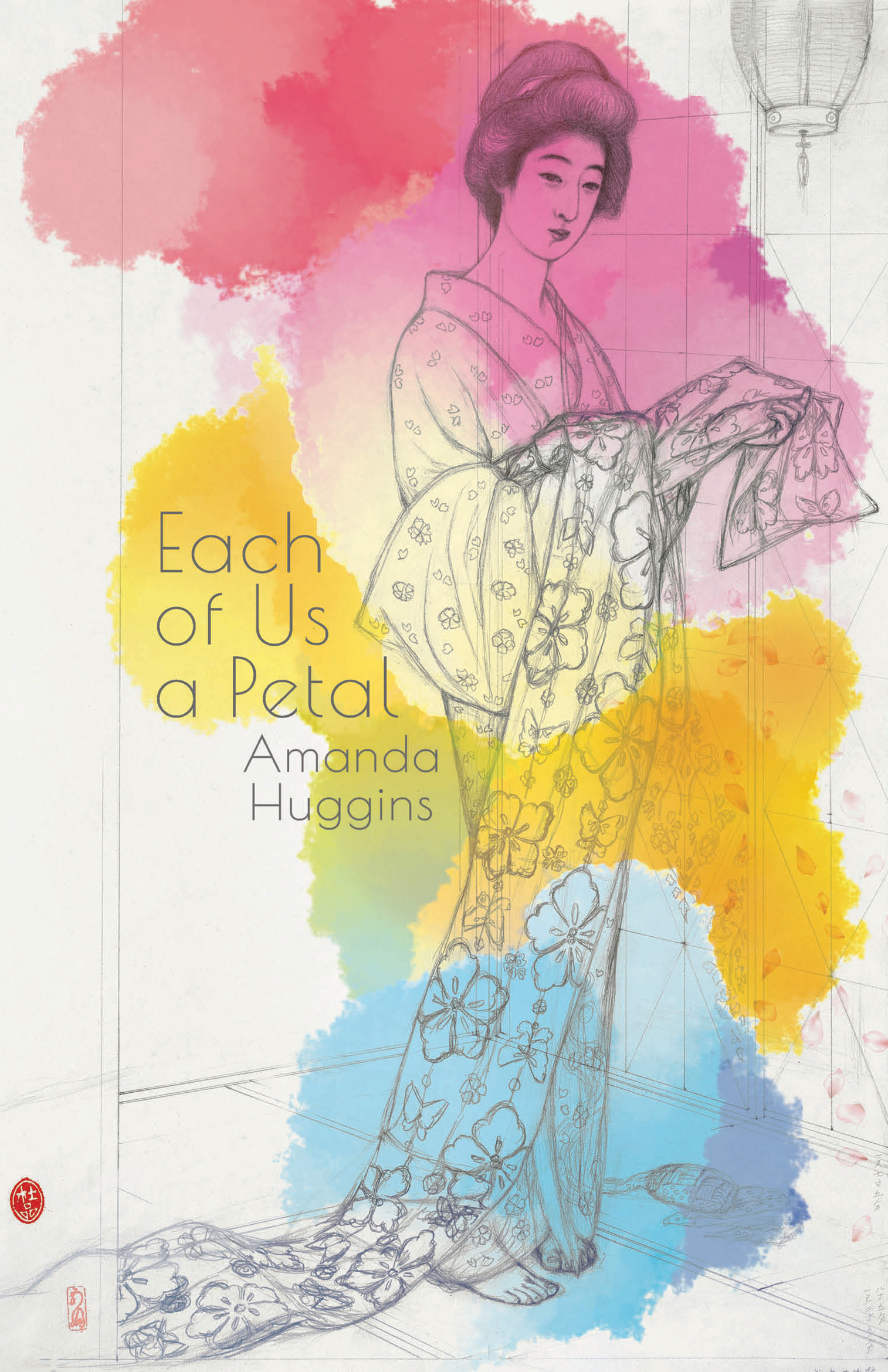
#BookReview ‘The Rector’s Wife’ by Joanna Trollope #familysaga #contemporary

No-one writes a small village saga like Joanna Trollope. Though the main character of The Rector’s Wife is the said wife, the tensions within her marriage, family and community are universal. The independence of the woman, the stifling controlling behaviour of an uncommunicative husband, the disapproval of outsiders making judgements on the family with no knowledge of the truth. Joanna TrollopeFirst published in 1991, The Rector’s Wife is about a priest’s wife struggling to rediscover her own identity, a feeling of self that faded on marriage and has been swamped since by the competing needs of husband, children, church and village. The flower committee, the Sunday School, the newsletter, the endless teas and cakes to bake. The silent expectation that she will do this without payment. It is a sad story about a struggling marriage where communication is limited and the three children – Charlotte, Luke and Flora – observe in fear, confusion and ultimately in rebellion, in their own individual ways. How can they know who they are if their father rarely talks and their mother is having her own identity crisis. But it is also a heartwarming story about family love and adaptation.
Anna Bouverie’s rebellion begins when her husband Peter fails to be awarded promotion to archdeacon. ‘He would be changed by this; he couldn’t avoid that. Even the gradual assimilation of his disappointment would leave scars and blights, like a landscape after fire.’ Anna wonders if he will become even more difficult. Peter retreats into himself, leaving Anna to deal with the family’s financial problems. Son Luke wants to drive to India in an old van with friends, but doesn’t have the money. Flora is being bullied at her comprehensive and longs to go to the convent school. Oldest child Charlotte, away at university, avoids going home. Anna’s solution is pragmatic. To the scandalous whispers of the village women, she takes a job as a shelf-stacker at Pricewells supermarket. To her surprise, she enjoys the work. Her husband is scandalised. Two newcomers to the village, a rich businessman, and the brother of the new archdeacon, observe the upheaval and watch Anna with interest.
As Anna faces down her husband’s sullen disapproval, her mother and mother-in-law rebel in their own small ways and navigate their own choppy waters with resilience. There are asides which raise a chuckle, particularly old villager Mr Biddle, and some of Flora’s pronouncements. I finished the book feeling indignant at how the men in Anna’s life, no matter how well-meaning, seem to treat her as an appendage to themselves rather than seeing Anna the person.
The ending is satisfactory, not neat but realistic. “I married the man, not the job,” Anna tells a parishioner. “I’m not an outboard motor, I’m another boat.”
CLICK HERE TO READ MORE ABOUT THIS BOOK AT AMAZON

Read my reviews of other novels by Joanna Trollope:-
A PASSIONATE MAN
A VILLAGE AFFAIR
MUM & DAD
THE CHOIR

If you like this, try:-
‘We Are Water’ by Wally Lamb
The Language of Others’ by Clare Morrall
‘The Last Day’ by Claire Dyer

And if you’d like to tweet a link to THIS post, here’s my suggested tweet:-
#BookReview THE RECTOR’S WIFE by Joanna Trollope https://wp.me/p2ZHJe-70O via @SandraDanby

COMING SOON… THE NEXT BOOK I REVIEW WILL BE:- Nicola Upson

#BookReview ‘The Collaborator’s Daughter’ by Eva Glyn @JaneCable #WW2 #Croatia

Modern-day grief and the turmoil of a wartime past are entangled for Fran in The Collaborator’s Daughter by Eva Glyn. Looking for a new start after the death of her beloved adoptive father, Fran leaves wintery England for the warmer streets of Dubrovnik. Feeling alone, vulnerable and anxious, Fran searches for the strength to look for answers. Eva GlynBrought from Yugoslavia to England as a baby at the end of the Second World War, Fran was raised by her mother to believe her father was a war hero. But Fran has recently discovered the name of Branko Milisic on a list of Nazi collaborators executed by partisan fighters in 1944. Unable to rationalise her gentle, loving mother Dragica as having loved a Nazi, Fran visits Croatia for the first time, taking small steps in discovering the history of the city where she was born. Her life is drifting. Having nursed her mother then father in their last years, raised her son and cared for grandchildren, Fran now realises she needs time for herself. But after a life of caring, being selfish is not as easy as it sounds. In her sixties, she lacks confidence and feels old, unattractive and shy.
Fran’s rebirth as an independent woman unfolds slowly, sometimes tortuously, as she treads the warm streets of Dubrovnik, shyly meeting the locals, learning their language, baking local delicacies and plucking up the courage to ask questions about her mysterious father. Fran is an introspective character and she spends a lot of time re-examining her motives, asking what-if, worrying about what she will find, summoning courage to take the next step, to ask the next question. As the grief at the recent loss of her father begins to lessen, she becomes bolder, finding strength with the new friends she has made in the beautiful city. Glyn’s descriptions of Dubrovnik are pictorial, so much so that the city almost becomes a character with a personality.
This is a compassionate telling of an emotional story about grief, about the fear of the past and ultimately about forgiveness. The truth about Branko and Dragica’s life during the Second World War seems deeply hidden, impossible to find, records lost, witnesses dead. As Fran struggles with the idea that her father was a traitor, perhaps a murderer, she is introduced to a local man who fought in the more recent Balkan War. Jadran knows what war is really like, the fear, the shame, the horror, the impossible choices, the loyalties and betrayals. Glyn cleverly juxtaposes the different wartime experiences as Fran tries to forgive a father who possibly did terrible things.
At times Fran is overcome with the enormity of what she is attempting. But with the help of her new Croatian friends, and bolstered by rallying Skype sessions with best friend Parisa back home in England, she investigates the truth, one small step at a time.
An original storyline in a country whose wartime story is read little in fiction.

Read my review of THE MISSING PIECES OF US, also by Eva Glyn.

Eva Glyn is the pen name of author Jane Cable, here are my reviews of some of Jane’s other novels:-
ANOTHER YOU
ENDLESS SKIES
THE CHEESEMAKER’S HOUSE

If you this, try:-
‘The Last Hours in Paris’ by Ruth Druart
The Book of Lies’ by Mary Horlock
The Camomile Lawn’ by Mary Wesley

And if you’d like to tweet a link to THIS post, here’s my suggested tweet:
#BookReview THE COLLABORATOR’S DAUGHTER by Eva Glyn @JaneCable https://wp.me/p2ZHJe-6Zl via @SandraDanby

COMING SOON… THE NEXT BOOK I REVIEW WILL BE:- Joanna Trollope
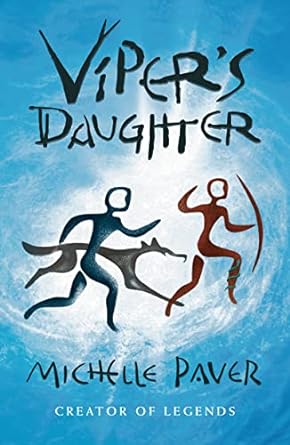
#BookReview ‘The Missing Pieces of Us’ by Eva Glyn @JaneCable #romance

The Missing Pieces of Us by Eva Glyn is a touching tale of love, self-awareness and how love persists over the years. Izzy and her daughter Claire are shopping. It is just before Christmas. The streets of Winchester are crowded and the air is icy. Izzy bumps into a tramp, a homeless man, and is sure she knows him. But when she turns round, he is gone. Eva GlynThis is the story of Izzy and Robin’s love for each other, their loss, and how they find themselves and each other again. Central to the story is a faerie tree. It is place where children leave gifts and messages for the fairies, and where the fairies leave their replies. It is a story of hope and compassion, of flawed characters, real people, finding their way out from the darkness. Beneath the faerie tree, Izzy and Robin swear eternal love to each other in 1986 but are soon after parted by circumstances. When they finally meet again, their memories of their early time together are so different: why? And whose memory is correct, whose is flawed?
This story combines a love story with suspense and a sprinkle of folklore.
This review was first published here in 2015 as ‘The Faerie Tree’ by Jane Cable. The book has since been republished by One More Chapter as ‘The Missing Pieces of Us’ by Eva Glyn, Jane Cable’s pen name.

Here’s my review of another novel by Eva Glyn:-
THE COLLABORATOR’S DAUGHTER

Also by Eva Glyn, writing as Jane Cable:-
ANOTHER YOU
ENDLESS SKIES
THE CHEESEMAKER’S HOUSE

If you like this, try:-
Love and Eskimo Snow’ by Sarah Holt
The Museum of You’ by Carys Bray
Please Release Me’ by Rhoda Baxter

And if you’d like to tweet a link to THIS post, here’s my suggested tweet:
#BookReview THE MISSING PIECES OF US by Eva Glyn @JaneCable https://wp.me/p2ZHJe-6YM via @SandraDanby

COMING SOON… THE NEXT BOOK I REVIEW WILL BE:- Eva Glyn

#BookReview ‘A Very English Murder’ by @BrightVerity #cosymystery #crime

A Very English Murder by Verity Bright is first in the Lady Eleanor Swift series of 1920s historical cozy crime novels. It’s a rollicking mystery that speeds along at a fair clip with lots of red herrings, dastardly villains and multiple glasses of homebrew. Verity BrightLady Swift inherits her title from her uncle, along with his mansion Henley Hall at Little Buckford in the Home Counties. Accustomed to fending for herself she has travelled alone around the world, in jungle, deserts and cities, plotting routes for travel companies. But now Ellie finds herself in foreign territory; an English village. Not only must she become accustomed to being mistress of a house and its staff, a local celebrity, source of fascination, causer of awkward silences, she also witnesses a murder.
When the local police don’t believe her, given the lack of a body or evidence, Ellie sets off on a detective spree. In her search for clues she gets into scrapes, makes all kinds of wrong assumptions, and some correct ones, doesn’t know who to trust and argues with lots of people. The only ‘character’ she trusts to be on her side is gentle bulldog Gladstone. There’s also a rather dashing neighbour with an airplane, who also may be the murderer. Her title fails to elevate her in the eyes of the local mayor or police – who see only a woman so obviously incapable, ill-equipped and unfit for murder detection – so she teams up with one of her suspects, Clifford the butler at Henley Hall. “A mere woman and a mere servant. Two classes undervalued and underestimated for generations joining together to make a formidable team.”
This is a fun historical mystery which, despite a few unlikely plot points and some silliness, is curiously addictive. It is however set in the Twenties with few references to the events of the day though the upstairs/downstairs divisions at Henley Hall are soon broken down. This was a decade of adjustment after the Great War; the men who didn’t come home, the injured men who can’t work, the women who took on men’s jobs during the war have now been pushed back into a pre-war world. None of this seems to impact on Henley Hall or Eleanor’s lifestyle. Nor is there is mention of women’s suffrage, female MPs or the rights of titled women to sit in the House of Lords; all of which would affect Lady Swift when she inherited her title. But of course this is a cozy mystery, an escape from the real world, and A Very English Murder does this job well.
It’s an entertaining read which made me chuckle. Plus there are plenty of unanswered questions to fuel further adventures.
PS. I loved the cover artwork too.

Read my review of other books in the Lady Eleanor Swift series:-
DEATH AT THE DANCE #2LADYELEANORSWIFT
A WITNESS TO MURDER #3LADYELEANORSWIFT
MURDER IN THE SNOW #4LADYELEANORSWIFT
MYSTERY BY THE SEA #5LADYELEANORSWIFT
MURDER AT THE FAIR #6LADYELEANORSWIFT
A LESSON IN MURDER #7LADYELEANORSWIFT
DEATH ON A WINTER’S DAY #8LADYELEANORSWIFT

If you like this, try:-
The Vanished Bride’ by Bella Ellis #1BronteMysteries
The Mystery of Three Quarters’ by Sophie Hannah #3Poirot
A Fatal Crossing’ by Tom Hindle

And if you’d like to tweet a link to THIS post, here’s my suggested tweet:
#BookReview A VERY ENGLISH MURDER by @BrightVerity https://wp.me/p2ZHJe-6Xs via @SandraDanby

COMING SOON… THE NEXT BOOK I REVIEW WILL BE:- Eva Glyn
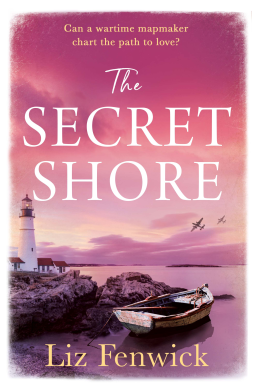
#BookReview ‘World Without End’ by @KMFollett #historical #Kingsbridge

What a wonderful series this is by Ken Follett. World Without End is second in the Kingsbridge series and is intimidating purely by its size, the 1264-page paperback is like a brick. But oh so worth it. Follet has created a world to lose yourself in. I was sad when it came to an end. Ken FollettThe year is 1327. In a wood near the cathedral city of Kingsbridge, four children witness a murder. The man responsible asks for their silence and the mystery of his secret runs throughout the book. The story is a little slow to get going but throughout World Without End the lives of these four children, soon adults, are woven together, intertwined, separated and combined again. Love and ambition are at the heart of everything; sometimes aided, sometimes thwarted, by money, greed, abuse and theft. There is violence, misogyny and racism. Yes, there may be similarities in plot and character with the first book, Pillars of the Earth, but this story is set two centuries later. The historical settings make both books distinctive, in World Without End it is the coming of Black Death and Edward III’s Battle of Crécy. And of course there are similarities; Kingsbridge is the centrepiece where the cathedral, priory, bridge and annual Fleece Fair are central to everyday life. There are power struggles – between master and apprentice, prior and alderman, father and son, father and daughter, between brothers. Follett’s success with this series is the accessibility of everyday lives; we can identify with these 14th century families, their hopes and desires, jealousies, disappointments and fears.
At the heart of the story are the four children in the woods that day. Quiet, clever Merthin and his younger brother Ralph, strong and always ready for a fight. And two girls, friends; Caris, clever and confident daughter of a wool merchant, and Gwenda, the under-nourished daughter of a thief but who wants so much more from her own life. Through their daily lives, Follett shows the development of Kingsbridge into a different town. Each child faces impossible decisions, each in their own way is determined and strong. Their choices, wrong or right, govern the narrative as, too quickly, these children become adults and face one of the most traumatic times faced by England. As the Black Death creeps closer and finally reaches Kingsbridge, the villagers, monks, nuns, lords, tenant farmers and farm labourers find themselves brought equal in the shared danger.
Two more books in the series await. A Column of Fire about Kingsbridge in the 16th century, followed by The Armour of Light set at the close of the 18th century.

Click the titles to read my reviews of other Follett novels:-
THE EVENING AND THE MORNING #PREQUELKINGSBRIDGE
THE PILLARS OF THE EARTH #1KINGSBRIDGE
A COLUMN OF FIRE #3KINGSBRIDGE
THE ARMOUR OF LIGHT #4KINGSBRIDGE
NEVER

If you like this, try:-
The Last Hours’ by Minette Walters [#1 Black Death]
The Turn of Midnight’ by Minette Walters #2 Black Death
Plague Land’ by SD Sykes [#1OswalddeLacy]

And if you’d like to tweet a link to THIS post, here’s my suggested tweet:
#BookReview WORLD WITHOUT END by @KMFollett https://wp.me/p2ZHJe-6Vb via @SandraDanby

COMING SOON… THE NEXT BOOK I REVIEW WILL BE:- Verity Bright
#BookReview ‘Fortune Favours the Dead’ by Stephen Spotswood @playwrightSteve #crime

I love finding a new series to explore. Fortune Favours the Dead by Stephen Spotswood is first in the late 1940s New York-set Pentecost & Parker detective series. Certainly different from anything else I’ve read in this genre. The post-war city setting is dynamic and refreshing. Stephen SpotswoodWhen circus runaway Willowjean Parker meets her new boss, private detective Lillian Pentecost, it is so nearly their last meeting. Ms Pentecost, whose advice has been sought in the past by Eleanor Roosevelt, widow of the wartime president, recognises Will’s unusual talents – knife-throwing, sharpshooting, bareback horse riding, fire-eating and how to get out of a straitjacket – and recruits her as her private assistant. New York is a swirling mixture of poverty, opportunity, change and excess. The war has ended and everyone is adjusting to the new rules of life. When wealthy widow Abigail Collins is murdered not long after her husband committed suicide, and in the same room of their mansion, the police investigation stalls. So the family calls in Lillian Pentecost to investigate. The Collins family steelworks faces financial trouble as wartime contracts are up for renewal, soldiers are returning from war to the jobs done in their absence by women, and rumours are circulating that Abigail was killed by her dead husband Al.
The Abigail Collins case is told from Will’s viewpoint, a nice mixture of detecting, caring for her fragile boss, and going off track pursuing her own suspicions. Will – newly trained in law, shorthand, car mechanics, bookkeeping and driving – is brave, strong and well-meaning. Sometimes she gets into trouble but she often digs up new evidence. Something that MS-sufferer Ms Pentecost, Ms. P, is less able to do. In a future book I’d like to hear more from Ms. P.
The death of Abigail in a locked room seems impossible to solve but the combination of Ms. P’s razor-sharp mind, memory of past crimes and vast cuttings archive, with Will’s derring-do, leads them to clues the police have failed to spot. There are plenty of suspects and witnesses; a theatrical fortune teller and her slimy assistant, a brawny factory manager, Abigail and Al’s fragile son and daughter, Al’s business partner, a failed journalist turned archivist and an academic sceptical about clairvoyancy.
The setting is special, the relationship between the two lead female characters is special. I’ve read a lot of crime novels of different sub-genres and have an eye for spotting the guilty party, Fortune Favours the Dead kept me guessing until the last pages. And it’s fun.
CLICK HERE TO READ MORE ABOUT THIS BOOK

If you like this, try:-
The Killing of Polly Carter’ by Robert Thorogood [#2 Death in Paradise]
Big Sky’ by Kate Atkinson [Jackson Brodie #5]
The Seven Deaths of Evelyn Hardcastle’ by Stuart Turton

And if you’d like to tweet a link to THIS post, here’s my suggested tweet:
#BookReview FORTUNE FAVOURS THE DEAD by Stephen Spotswood @playwrightSteve https://wp.me/p2ZHJe-6VM via @SandraDanby

COMING SOON… THE NEXT BOOK I REVIEW WILL BE:- Ken Follett