
An emotional story of three generations of women moving back and forth between New York and the west of Ireland from 1970s to 2018. Confessions by Catherine Airey is an accomplished debut examining the changing freedoms of women fifty years apart, and the social mores and variations between two countries that speak the same language but are oh so different. 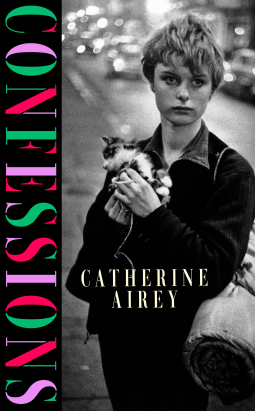 Confessions is a book about stories, secrets and confessions; the telling of stories and the keeping of secrets and about whether confessing your secrets is the right or wrong thing to do. The story starts in New York 2001 as the Twin Towers fall. Sixteen-year-old Cora Brady’s accountant father never comes home. She is left alone – her artist mother Máire having died years earlier – and disorientated, until a letter arrives from her Aunt Ró in Ireland. Before she leaves the city, Cora hangs posters of her father ‘Missing. Cantor Fitzgerald. 104th Floor, North Tower. Father’ in places she will miss.
Airey takes time to establish the character of Cora but as soon as the teeneager arrives in Ireland, the story switches to 1974 to tell the story of two sisters, Róisín and Máire. This is 1970s Ireland, strictly Catholic, setting up stark contrasts between Ireland and New York city at that time: the illegality of abortion, alcohol, sexual freedom, drugs and the coming of AIDS. Occasional references throughout are made to a ‘game’ which make no sense to me until three-quarters of the way through the novel.
Airey is particularly good at juxtaposing the expectations placed on her female characters, in different decades; by the women themselves, on each other and by society, to suffer, to put up with things, to make do, to stay silent. And conversely to let it all out, to scream, to admit the truth even when painful and uncomfortable to oneself or others.
By the end, for me the women merge into one homogenous character. Though the writing is beautiful – ‘I was too wired to even close my eyes, my thoughts wound up like swirls inside a marble’ – the loose plotting is at times disorientating and at times I forgot which woman was speaking. The anchoring point of time in this family’s story is the fall of the Twin Towers in 2001, the events leading to it and what happened afterwards. Airey takes us on a meander through the decades, showing events and their consequences. Stories are the things you present to other people, secrets are the things you never confess to another soul. Viewpoints switch around until the final quarter which is told largely in letter-form when uncomfortable truths are finally addressed. ‘We’re only as sick as our secrets,’ writes one to another.
I finished Confessions not sure if I enjoyed it or not; at times it focusses on distressing subjects, death, addiction, rape, abortion, betrayal, grief. At times it is beautiful. Sometimes I wanted to read on to know what happened next, but then I delayed picking it up again. Challenging. Unflinching.
If you like this, try:-
‘A Little Life’ by Hanya Yanagihara
‘Brooklyn’ by Colm Tóibín
‘Nora Webster’ by Colm Tóibín
And if you’d like to tweet a link to THIS post, here’s my suggested tweet:
#BookReview CONFESSIONS by Catherine Airey @catherineairey https://wp.me/p2ZHJe-8SU via @SandraDanby
COMING SOON… THE NEXT BOOK I REVIEW WILL BE:- 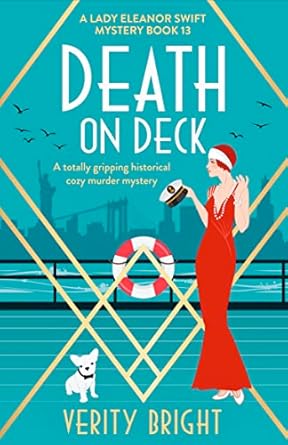
 SANDRA DANBY'S BOOK REVIEWS