
A World War Two journey from innocence to experience in the harshest and cruellest of conditions. The Lost Garden by Angela Petch tells the story of Contessina Ernestina di Montesecco, better known as Tina, as war comes to the picturesque village of Sant’Agnese in Romagna and brings with it a canker to the heart of Tina’s beautiful home. 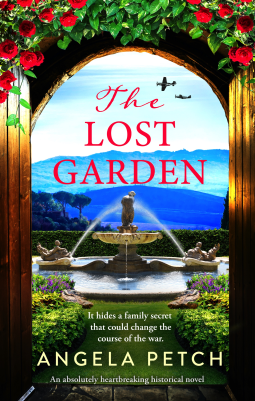 Angela Petch is a talented storyteller using Italy, a country she knows well and loves, as the complex setting for her novels. The Lost Garden is no exception. The beauty of the village and countryside is juxtaposed with the rottenness of life in Mussolini’s Italy. There is wealth and poverty, fascism and communism, profiteering and charity. Divisions are fostered, mistrust is everywhere, secrets are kept close and no one is trusted.
An intriguing Prologue gives us a glimpse of the novel’s ending. In 1946 in the Castle of Montesecco, a woman is making plans. The war has ended but the resentments, mistrust, revenge and hatred continue. And then the main story begins in 1939. The first half of the novel is slow-moving as the character and background of Tina is established. Following the death of her mother in childbirth, Tina’s difficult relationship with her father is counter-balanced by the support from housekeeper Allegra and from the circle of friends Tina has grown up with. No one is untouched by the war, each detail of their life is affected. Tina’s father continues to treat her as a child though she is now a young woman. He employs an Austrian woman as her governess, sells her beloved horse Baffi and introduces her to a succession of eligible men from his fascist circle.
As the hardship of war worsens, the ties that bind Tina and her friends together become fractured. As her father’s links to the Nazis become brazen, some villagers shun Tina in the assumption that she supports her father. This is when Tina’s rebellious nature begins to dominate, encouraged by her pharmacist friend Luisa and partisans Olivio and Sergio. Central to the story is a secret garden within the castle walls. Made by her mother as a place of comfort and safety, it has been hidden away by Tina’s father. Finding her mother’s gardening notebook, Tina secretly begins to restore the garden to its glory, taking risks, and in so doing matures into a brave young woman unafraid to challenge the wrongs around her.
An interesting but slow story that finally packs a punch towards the end. I admit I struggled to maintain concentration in the first half but the pace, danger, brutality and risk speed up substantially after the halfway point. The ghostly voice of Tina’s mother floats in and out, adding context to Tina and the family. The garden is central to Tina’s life, a symbol of her mother’s rebellion in an unhappy marriage and of Tina’s own rebellion against her autocratic fascist father. She knows she must choose a side in the war and the garden is symbolic of this. Not only is it a space of respite for Tina it also becomes a haven for the partisans.
A sad story of the effects of war on close communities driven apart by diverging political affiliations, the deprivations of poverty and the things people must do to survive, followed by the swingeing judgement that follows when peace finally arrives.
Here are my reviews of other novels also by Angela Petch:-
THE GIRL WHO ESCAPED
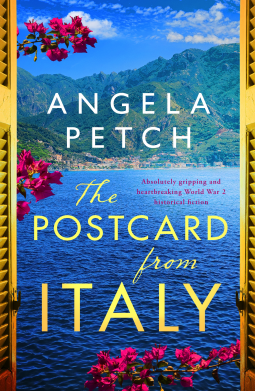
THE POSTCARD FROM ITALY
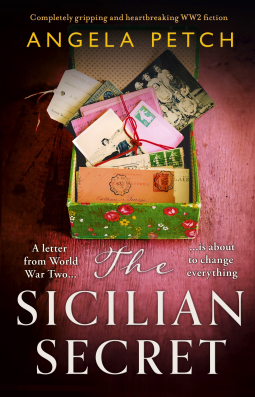
THE SICILIAN SECRET
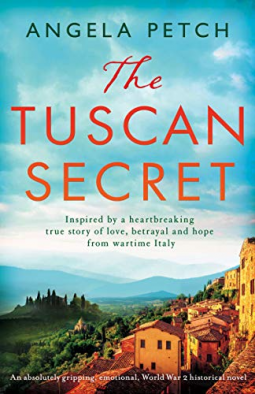
THE TUSCAN SECRET
If you like this, try:-
‘Akin’ by Emma Donoghue
‘The Secret Shore’ by Liz Fenwick
‘The Silence in Between’ by Josie Ferguson
And if you’d like to tweet a link to THIS post, here’s my suggested tweet:
#BookReview THE LOST GARDEN by Angela Petch https://wp.me/p2ZHJe-9Wd via @SandraDanby
COMING SOON… THE NEXT BOOK I REVIEW WILL BE:- 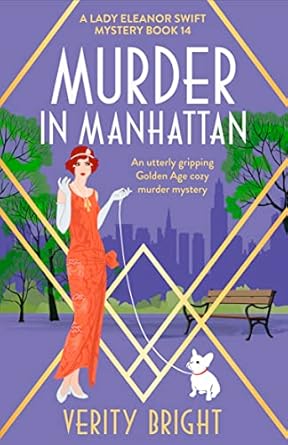


 SANDRA DANBY'S BOOK REVIEWS