
The horror which man can visit on his fellow man, or woman, on anyone slightly different or strange, is explored in this richly-written debut novel. The Witchfinder’s Sister by Beth Underdown is a fictional telling of a real seventeenth century witchfinder, Matthew Hopkins, and his invented sister Alice. It is a novel steeped in historical fact, with excerpts of documents including real people and trials.  It is 1645 and the Civil War in England is into its fourth year. There is a sense of brooding danger from the very beginning, and not just because of war. It is a time of religious fervour. A short prologue contains a list of women named as witches, their descriptions and accused crimes. Then in chapter one we meet Alice who is confined to one room. This novel is the account of her life.
When Alice’s husband dies in London in a work accident, she returns home, newly pregnant, to the Essex village where she grew up. Upon entering the home of her younger half-brother Matthew, she discovers he has become obsessed with punishing women for witchery. As her worry about his activities turns into fear, she is unable to escape his influence and is pulled into complicity with his acts. Despite attempts to break free, she too is under his power.
It is a fascinating historical read, the sort of book where you feel assured the author’s research is authentic. Told completely from Alice’s point of view, the other female characters are deeply drawn. The servants in her brother’s house, the creepy Mary Phillips and young Grace; Bridget, her step-mother’s former servant; and Rebecca West, accused of witchery. Some of it is difficult reading, particularly the Watching and Searching of suspects, who are subjected to difficult and demeaning conditions. The power of a few men over so many is frightening. With relevance to today’s society are the big issues of man’s inhumanity to man, intolerance and that ability to inflict cruelty which seems always to lurk just beneath the surface of civilised society.
A book that will stay with me for a long time, and which will be re-read.
Read my review of THE KEY IN THE LOCK, Beth Underdown’s second novel.
If you like this, try:-
‘Orphans of the Carnival’ by Carol Birch
‘The Miniaturist’ by Jessie Burton
‘The Penny Heart’ by Martine Bailey
And if you’d like to tweet a link to THIS post, here’s my suggested tweet:
#BookReview THE WITCHFINDER’S SISTER by Beth Underdown via @SandraDanby http://wp.me/p5gEM4-2pJ

 This hardback first edition, signed by the author, also features an inscription. Published by Chatto & Windus in 1978, the inscription is to Martyn Goff, administrator of the Booker Prize from the early 1970-2005. The distinctive cover features ‘The Great Wave off Kanagawa’ by Hokusai.
 The film Iris was released in 2001. Murdoch was played in youth and old age by Kate Winslet and Judi Dench, her husband John Bayley was played by Hugh Bonneville and Jim Broadbent. About their lifelong romance and then the sad descent of Iris into dementia. Watch the official trailer here.
 Still in print as a Vintage Classic edition, this is the current cover.
  My Triad Granada edition [above] features on its cover a detail of a painting, ‘The Sea-Birds Domain’ by Peter Graham, which can be seen in Manchester Art Gallery. It is dated inside in my handwriting as being bought in 1984.


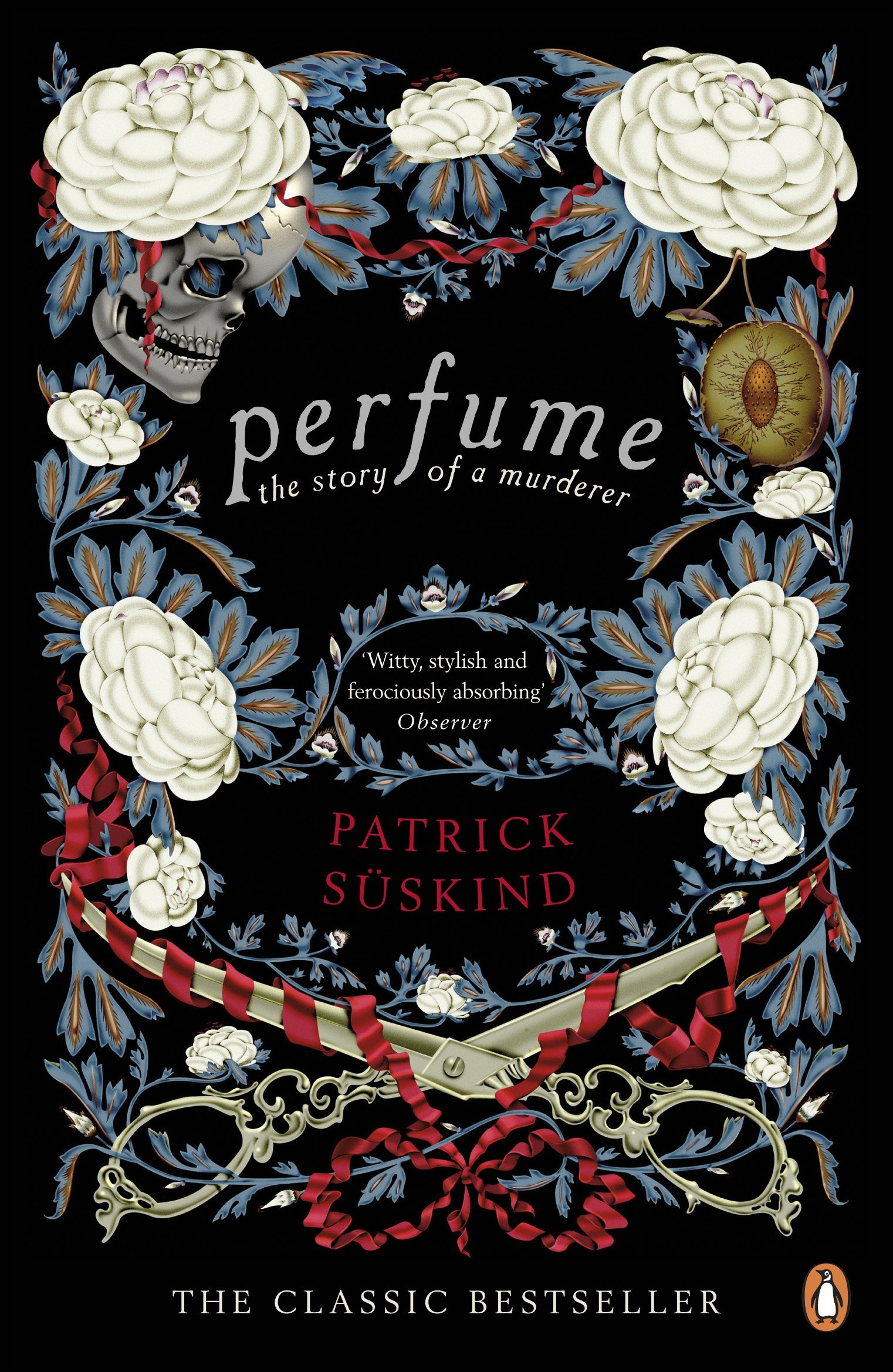

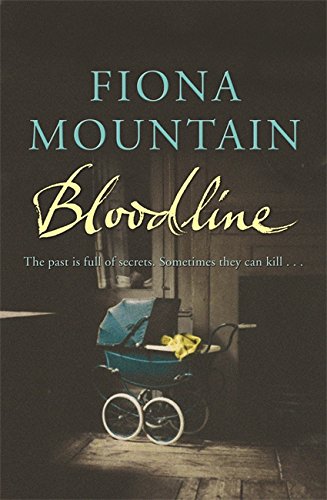
 “To be honest, I have more than one ‘Porridge and Cream’ book, and they’re all quite different, but the book I’d happily pick up when feeling ill or run down is Joanne Harris’ Chocolat – a delicious and delightful character-driven novel centred around single mother and chocolatier Vianne Rocher and her young daughter, Anouk. I first read it over a summer, not long after it had been published, so around 2000 or 2001. I’d recently moved in with my boyfriend (now husband) and we’d been to Greece together to meet his parents and the whole of his extended Greek family, so a book set in a French village that immersed its characters in local life with the focus being on food and delicious chocolate creations resonated with me and my first experiences of a Greek family and their abundance of delicious food.


 SANDRA DANBY'S BOOK REVIEWS